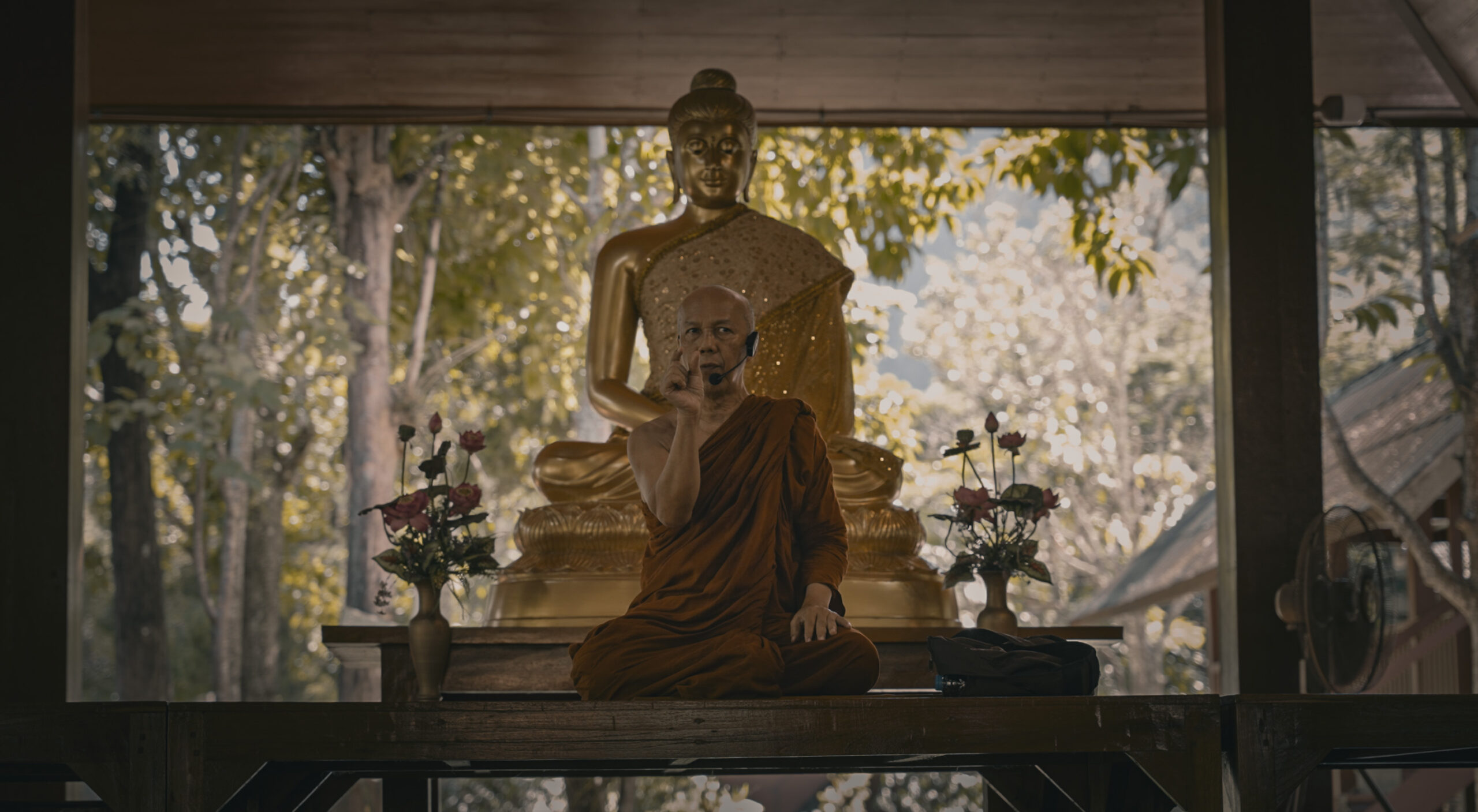
VIPASSANA
The Architecture of Silence
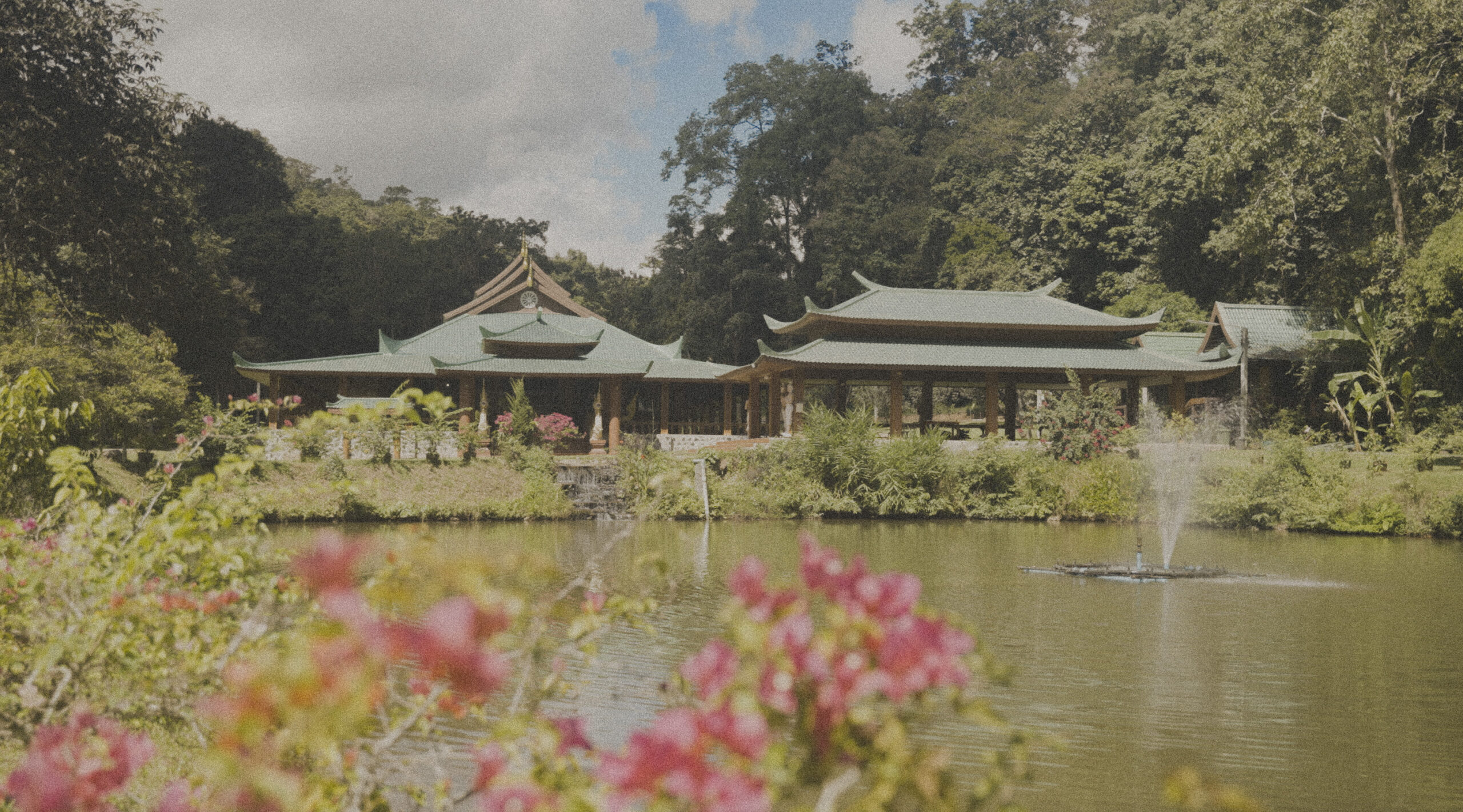
WAT PA TAM WUA: A clinical laboratory for the mind, nestled within the limestone fortress of Mae Hong Son.
In the rugged mountains of Northern Thailand, far beyond the 1,864 curves of the road to Mae Hong Son, Wat Pa Tam Wua stands as a fortress of stillness for those seeking Vipassana meditation.
In the rugged mountains of Northern Thailand, far beyond the 1,864 curves of the road to Mae Hong Son, there is a fortress of stillness. It is lush. It is emerald. And it is waiting to deconstruct everything you think you know about yourself.
Welcome to Wat Pa Tam Wua. Vipassana (Pali: vi-passanā) does not translate to “meditation” in the way the modern West understands it. It translates to “Special Seeing”: the surgical deconstruction of the reality-making process. We are not here to relax: we are here to witness the mechanics of our own liberation.
A Sanctuary of Living Nature
The beauty of this place is not just in the silence, but in the raw, vibrant life that surrounds it. The monastery is embraced by towering limestone cliffs and a dense canopy. Walking through the grounds, you are met with the sound of serene waterfalls and the cool mist of the forest. This is not just a backdrop: it is an active participant in your practice. The greenery acts as a natural buffer from the outside world, creating a sensory experience that grounds your awareness before you even close your eyes.
The Lineage: From Burma to the Forest
The modern revival of Vipassana began in Myanmar (Burma). In the late 19th century, masters like Ledi Sayadaw realized that the Buddha’s most potent technology, insight into the body, was being lost to ritualism. This lineage eventually birthed the global movement spearheaded by S.N. Goenka, emphasizing a systematic, often rigid “Body Sweep.”
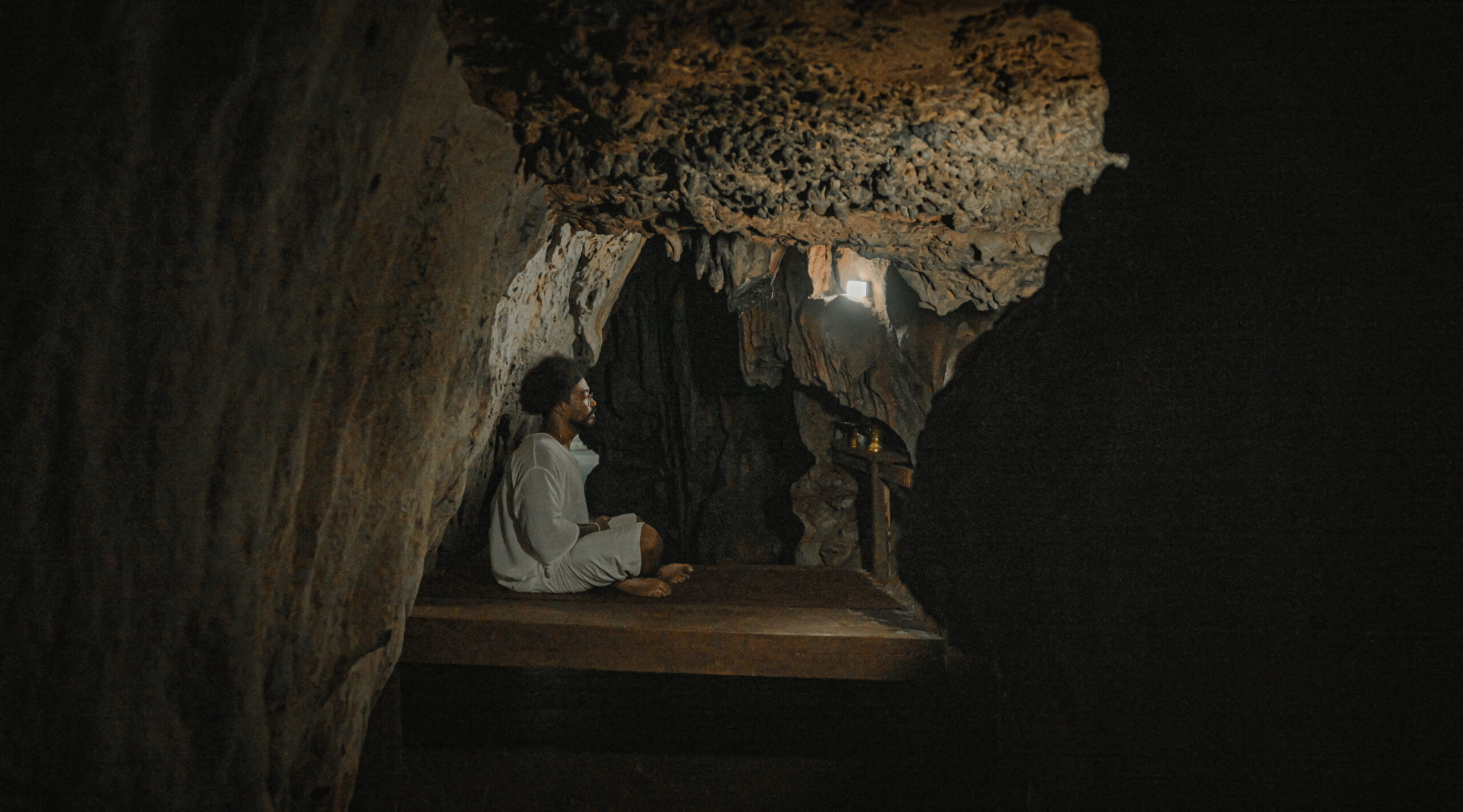
The Great Transition: While the Burmese style focused on intense discipline to break the ego, the Thai Forest Tradition (Kammatthana) brought the practice back into the wild. At Wat Pa Tam Wua, these two worlds meet. This “Open Awareness” practice is a living echo of the Middle Way first shared in Sarnath. It is a transition from forced concentration to a natural, panoramic mindfulness that remains unbroken whether you are sitting in a cave or walking through the trees.
“The Forest is the classroom. We do not look for the Dhamma in books: we look for it in the rising and falling of the breath.”
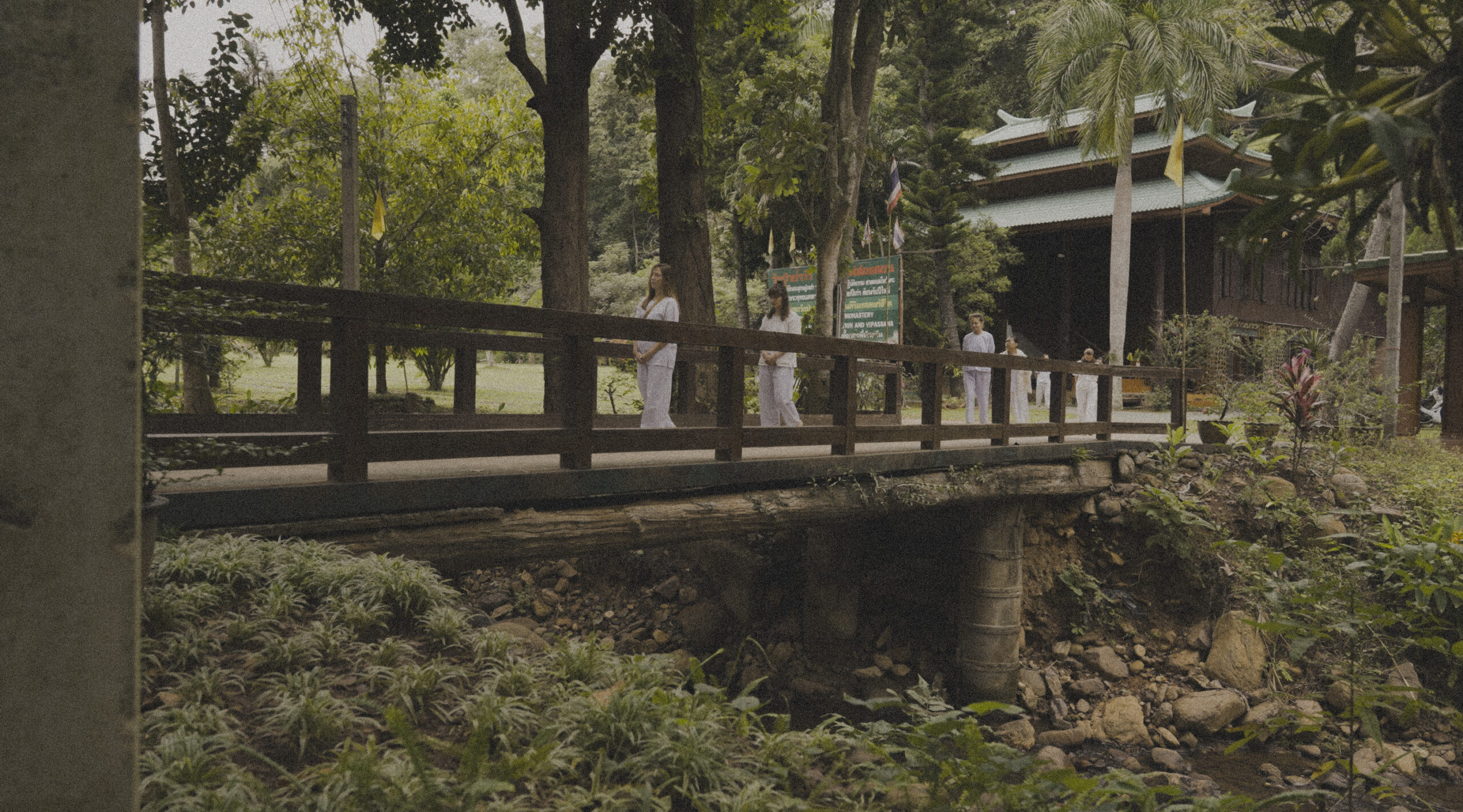
The Kuti Life: Living in Silence
Upon arrival, visitors are assigned a Kuti: a small, private wooden bungalow. These huts provide a sovereign space for reflection, often tucked away along the forest edges. Living in a Kuti is a vital part of the transformation: it strips away the noise of modern domesticity, leaving you with only the essentials: your breath and your mind.
Remarkably, the monastery operates on a philosophy of Dana (Generosity). The stay, the teachings, and the vegetarian meals are entirely free of charge. While no fee is required, donations are deeply appreciated, ensuring that the forest sanctuary remains open for the next wave of seekers.
The Monastic Rhythm: Daily Schedule
The Positive Loop: Neuro-Benefits of the Scan
From a mental health perspective, the 10-day “Body Sweep” is a Neuroplastic Intervention. Our modern nervous systems are in a state of “Hyper-Arousal.” Vipassana provides a biological system reset:
DMN Down-Regulation
Physically shrinking the activity in the Default Mode Network, the part of the brain responsible for “looping” self-critical narratives.
Emotional Regulation
Practicing Upekkha (Equanimity) re-trains the brain to respond to pain or boredom rather than reacting instinctively.
The Dopamine Reset
By removing “Cheap Dopamine” (phones, sugar, and speech) you recalibrate your reward system to find joy in simple existence.
The Pilgrimage: How to Get There
Wat Pa Tam Wua is located between Pai and Mae Hong Son. The journey through the curves of Route 1095 is a necessary transition from noise to silence.
From Chiang Mai: Take the Prempracha Minivan from Arcade Bus Station toward Mae Hong Son. Tell the driver you are going to “Wat Pa Tam Wua”: they will drop you at the entrance road for the final 1km walk.
A Call to All Seekers
Wat Pa Tam Wua is a temple for all of humanity, welcoming people from every walk of life, culture, and belief. Whether you are a beginner looking to understand the pillars of mindfulness or an experienced practitioner seeking a meditation escape, this valley offers a life-changing transformation. The average person enters carrying the weight of the modern world and leaves with a clarity that can only be found in the depth of the forest. Do not miss out on this experience: your sovereignty is waiting.
Walk to be the Knower
A Vipassana Documentary
Watch the full cinematic meditation on the YouTube Channel.