VARANASI
The City That Celebrates Death
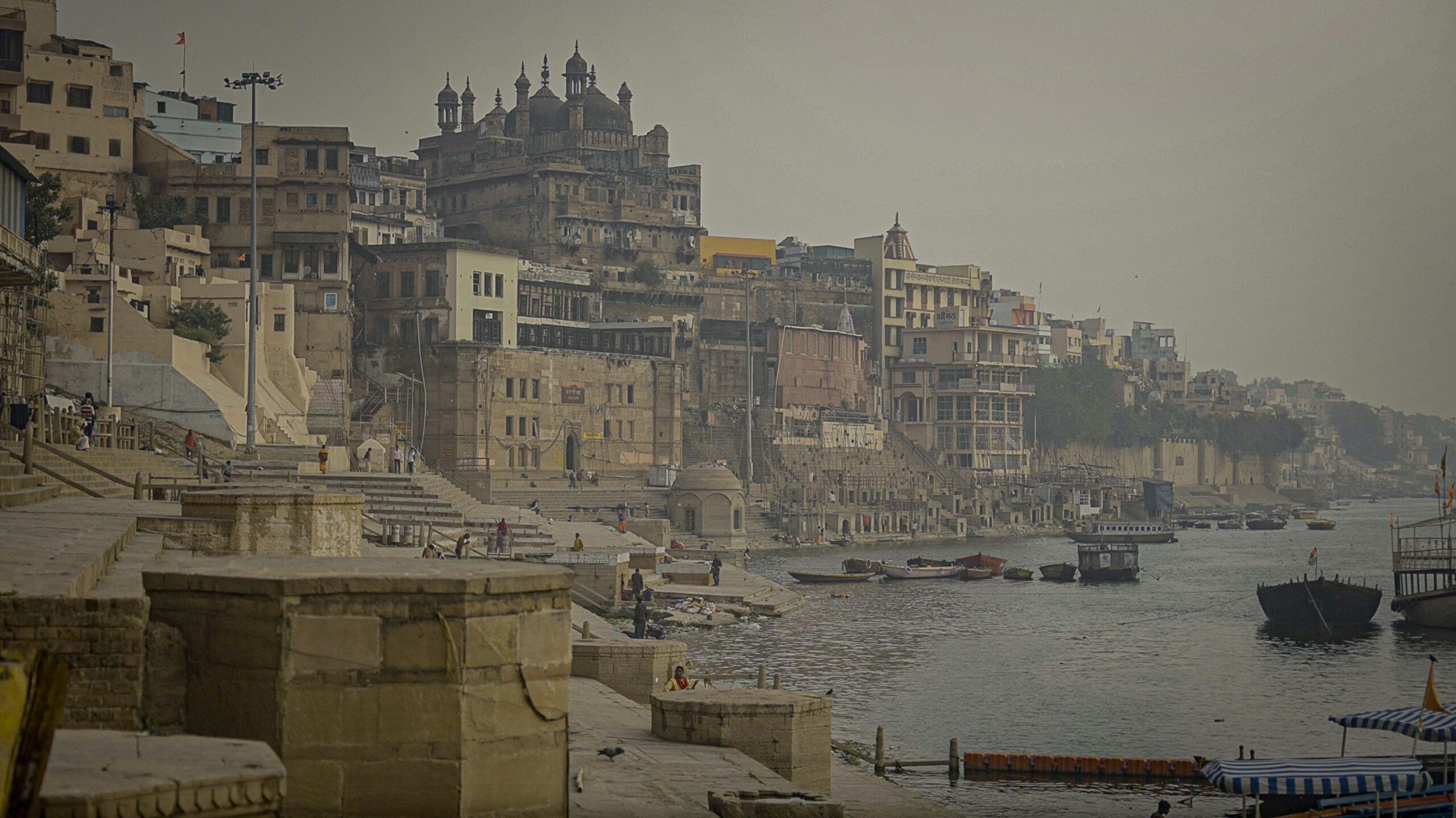
KASHI: Mark Twain once wrote that this city is older than history: older than tradition: older even than legend.
To walk the streets of Varanasi is to realize that the spiritual heart of India beats with a rhythm older than memory itself.
Welcome to Varanasi, also known as Kashi or Banaras. This is not just a city in Uttar Pradesh: it is a portal. It is the spiritual heart of India beating on the banks of the Ganges. But unlike most holy cities that celebrate life: Varanasi is obsessed with Death.
I traveled here to witness the unthinkable: a place where bodies are burned 24 hours a day, 7 days a week, in public view. A place where people travel just to take their final breath. I came to ask a simple question: Why do we fear the one thing that is guaranteed to happen to us? And what happens when you stare it in the face?
Part 1: The City Older Than Time
Varanasi is one of the oldest continuously inhabited cities on Earth, dating back over 3,000 years. To the locals, this is Kashi: the City of Light. Legend says this city stands on the trident of Lord Shiva. It is the place where the material world and the spiritual world blur.
Just a short distance away lies Sarnath, where the Buddha first taught the 4 Noble Truths. While Sarnath offers the blueprint for liberation, Varanasi offers the raw, burning reality of the cycle of life and death.
“Death is not the opposite of life: it is a part of it.”
Part 2: The Burning Ghats (Manikarnika)
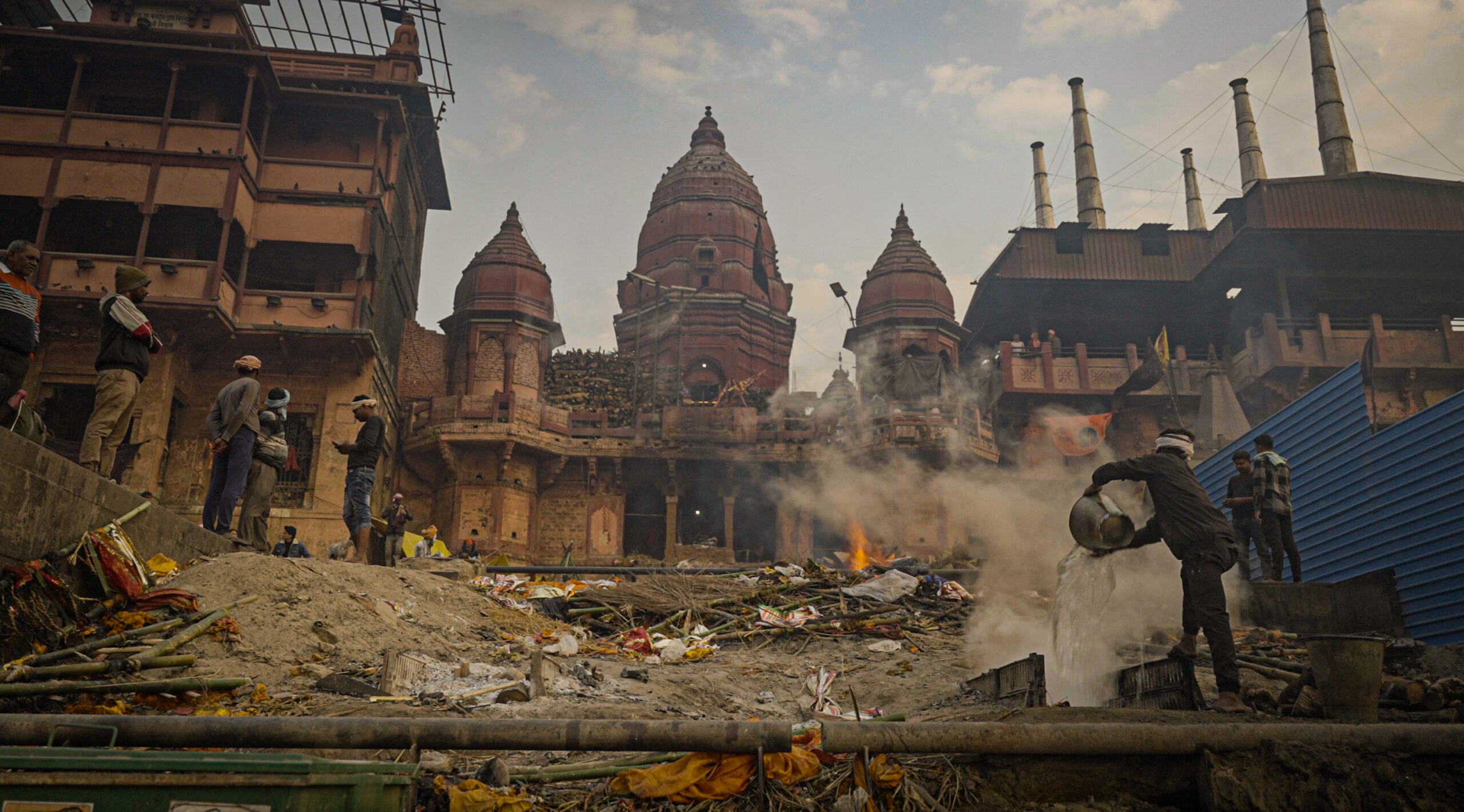
If you walk north along the river, the smell hits you first. It is a mix of sandalwood, marigolds, and burning flesh. This is Manikarnika Ghat. The fire here has not gone out for centuries: it is said to have been burning continuously for over 3,000 years.
The ritual is precise. The body is purified in the Ganges, wrapped in cloth, and placed on a pyre of wood. You hear the rhythmic chant: Ram Naam Satya Hai (The Name of God is Truth).
The Keepers of the Flame: The fire used to light the pyres belongs to the Dom community. In a supreme irony: even the highest Brahmin priest cannot achieve liberation (Moksha) without the fire provided by a Dom. In Kashi: death levels the playing field.
The Philosophy of Moksha
The Loop (Samsara)
The endless cycle of birth, death, and rebirth. The machine of repeat existence.
The Loophole (Kashi)
Dying in Kashi means Shiva whispers the Tarak Mantra. You skip the judgment.
The Liberation (Moksha)
Going straight to the source. Freedom from the machine of Samsara.
Part 4: The Shadow Side (The Aghoris)
You cannot talk about Varanasi without the Aghoris: the fierce, ash-smeared sadhus who live near the cremation grounds. They are radical non-dualists. They believe Shiva is in everything. If God is everywhere, then God is in the purity of the temple and the filth of the gutter.
By embracing what society rejects: death, decay, and ash: they remind us that judgment is just a construct of the human mind. They are the ultimate witnesses to the lack of duality in existence.
Practical Guide to Varanasi
Witness the Burning City
Varanasi: The City That Burns Bodies 24/7
Watch the full cinematic meditation on the YouTube Channel.